

Salesforce
Building a Team and a Sales Community
At Salesforce my team and I were focused primarily on the flagship product Sales Cloud. We campaigns, brand programs, websites, and of course events that brought in over $2B in revenue.
We also identified the little things that allowed all of our flagship products to stand out more on their own as part of a larger brand system that enabled global teams and helped reduce internal churn.
THE PROBLEM
An unspecified product suite that focuses solely on product offerings that are similar from one product to another. How do we differentiate, show value, and explain clearly how these products work better together and better than the other guy’s out there?
THE BRIEF
Create an iconic impression of Sales Cloud, increase awareness, create community that drives engagement and ultimately product sales. Also, put the power of data into the hands of the creative team and get them a seat at the decision making table.
INSIGHTS & LEARNINGS
Sometimes the simplest things are what make products stand out. Leaning into them and owning their traits can be what generates customer interest. Always use data where logic fails to convince.
RESULTS
Reduced feedback churn by 45% with clearer brand guidelines and rationale
Generated over $2.5B in revenue annually through branded campaigns, global events, and by directly creating a highly engaged social community, SalesBlazers, during the pandemic.
Rose the bar for video, motion, and content with Think Outside the Quota film series.
Directly brought in over $1M through an engaged Sales Cloud community.
BUILDING A TEAM and A BRAND
Starting out with a small team of freelance creatives we quickly built a full-time team comprised of designers, art directors, strategists, copy, and project management. Simultaneously we were tasked with building out a program that roots itself in what makes Sales Cloud special.
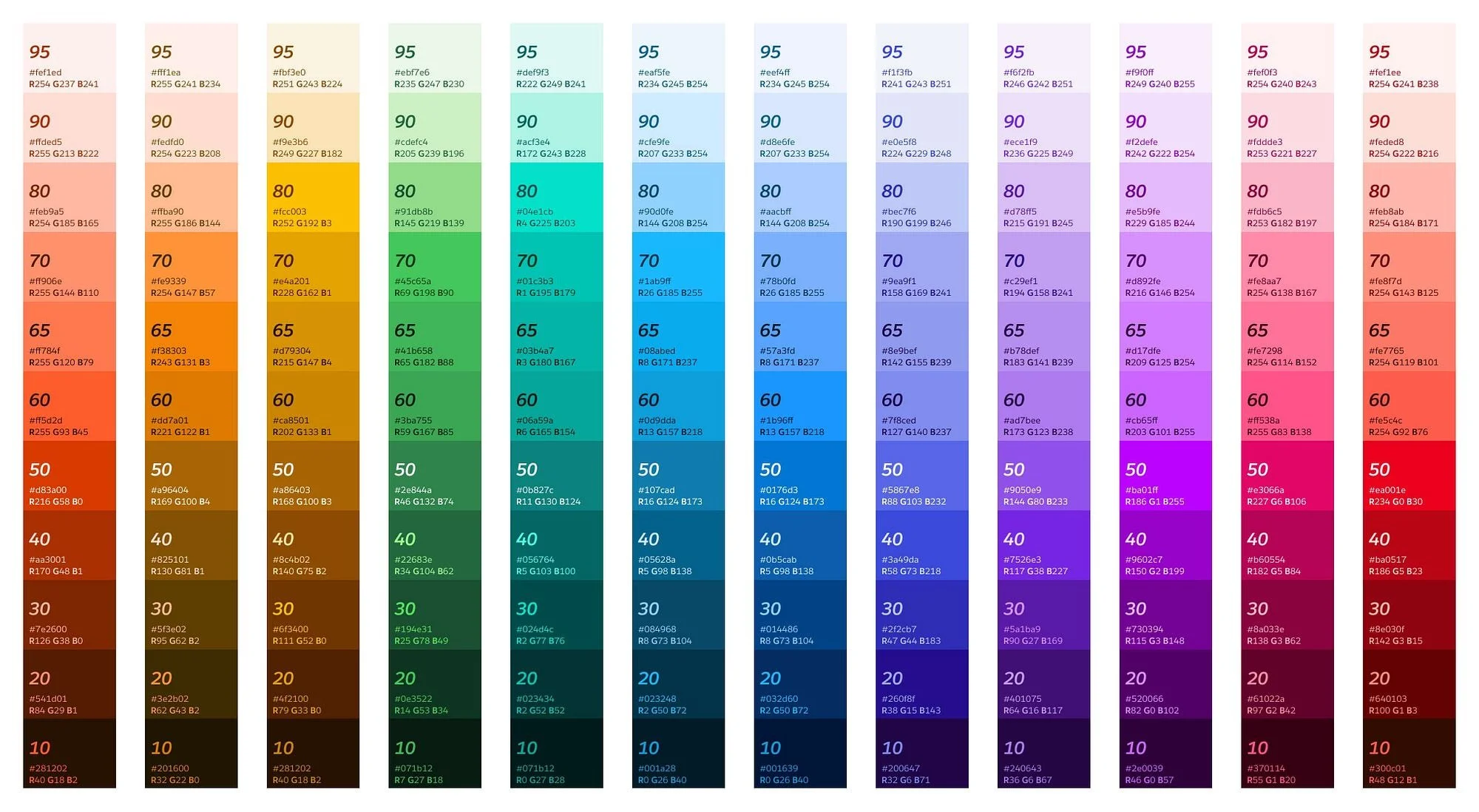


By digging into the available color palette for each product and learning about logos, iconography, and illustration assets that had been previously underused outside of the in-product experience, and learning experiences within TrailHead, we were able to craft truly own-able assets. This helped create customer recognition over a short period of time both in market online and at company events and trade shows leading to a spark of community and a need to be identified with the product that helped so many. From here we started taking more risks across social with silly posts featuring meme-able sales moments, cats, over-the-top actors, and rallying an online community together to eventually form the “SalesBlazers".”






DREAMFORCE
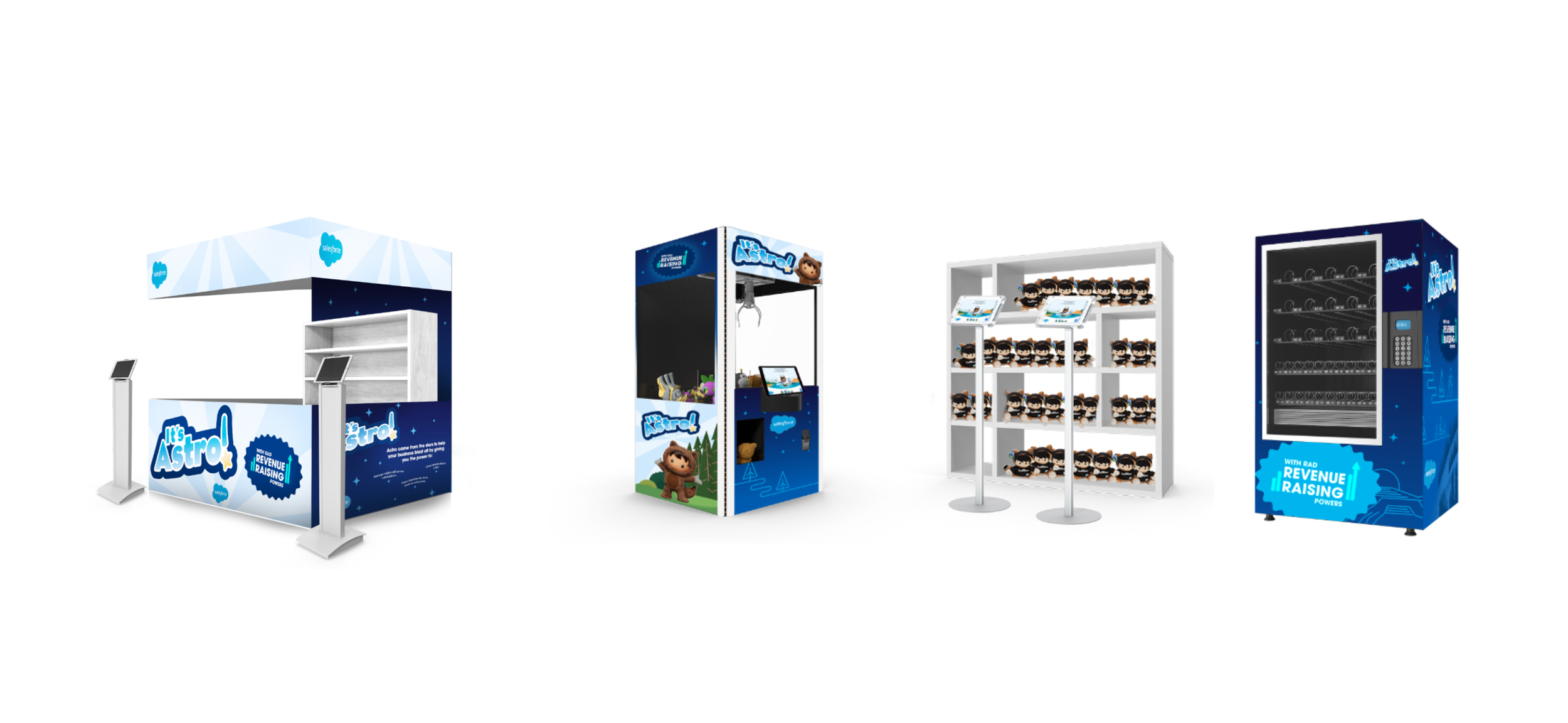
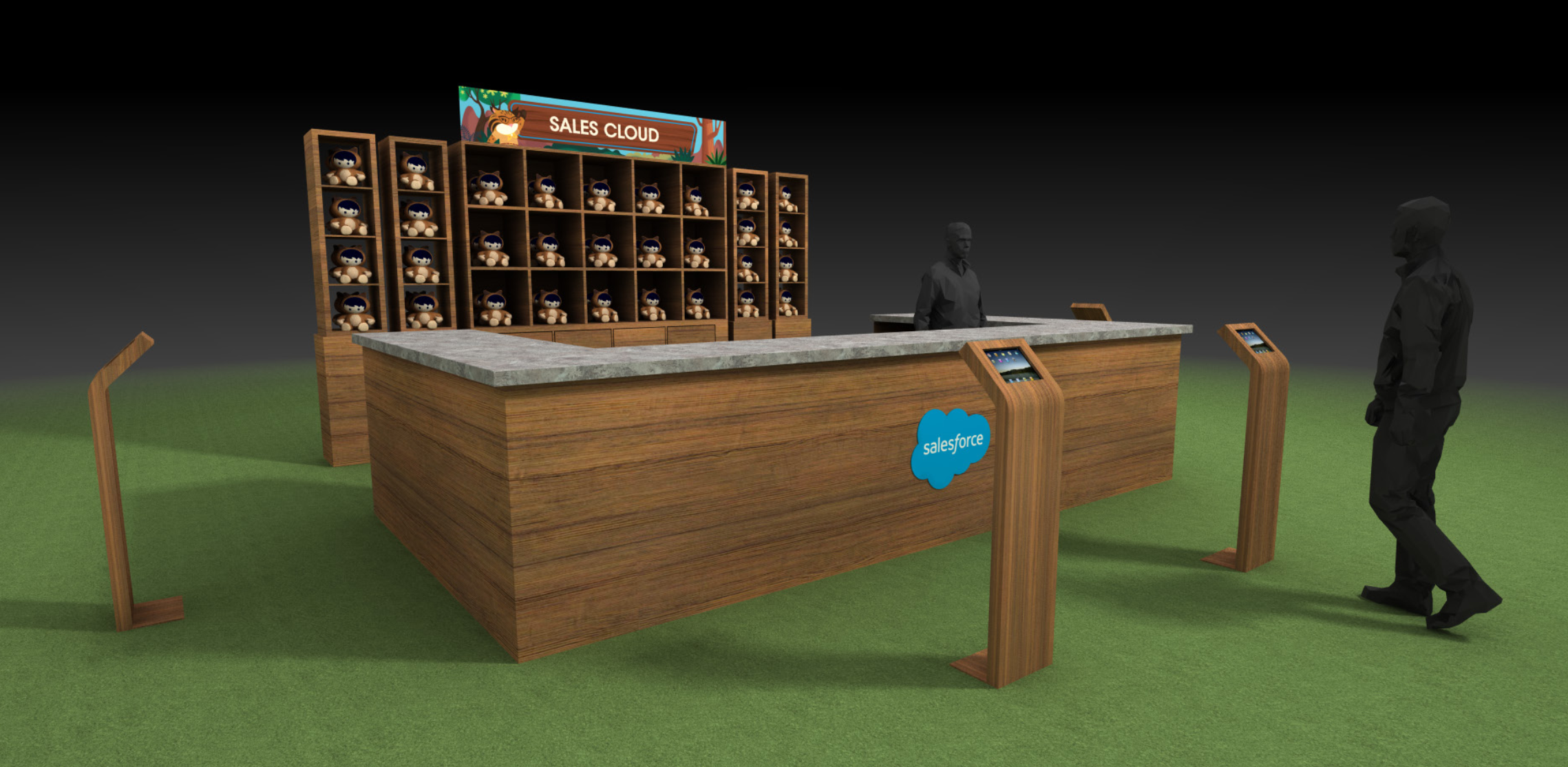
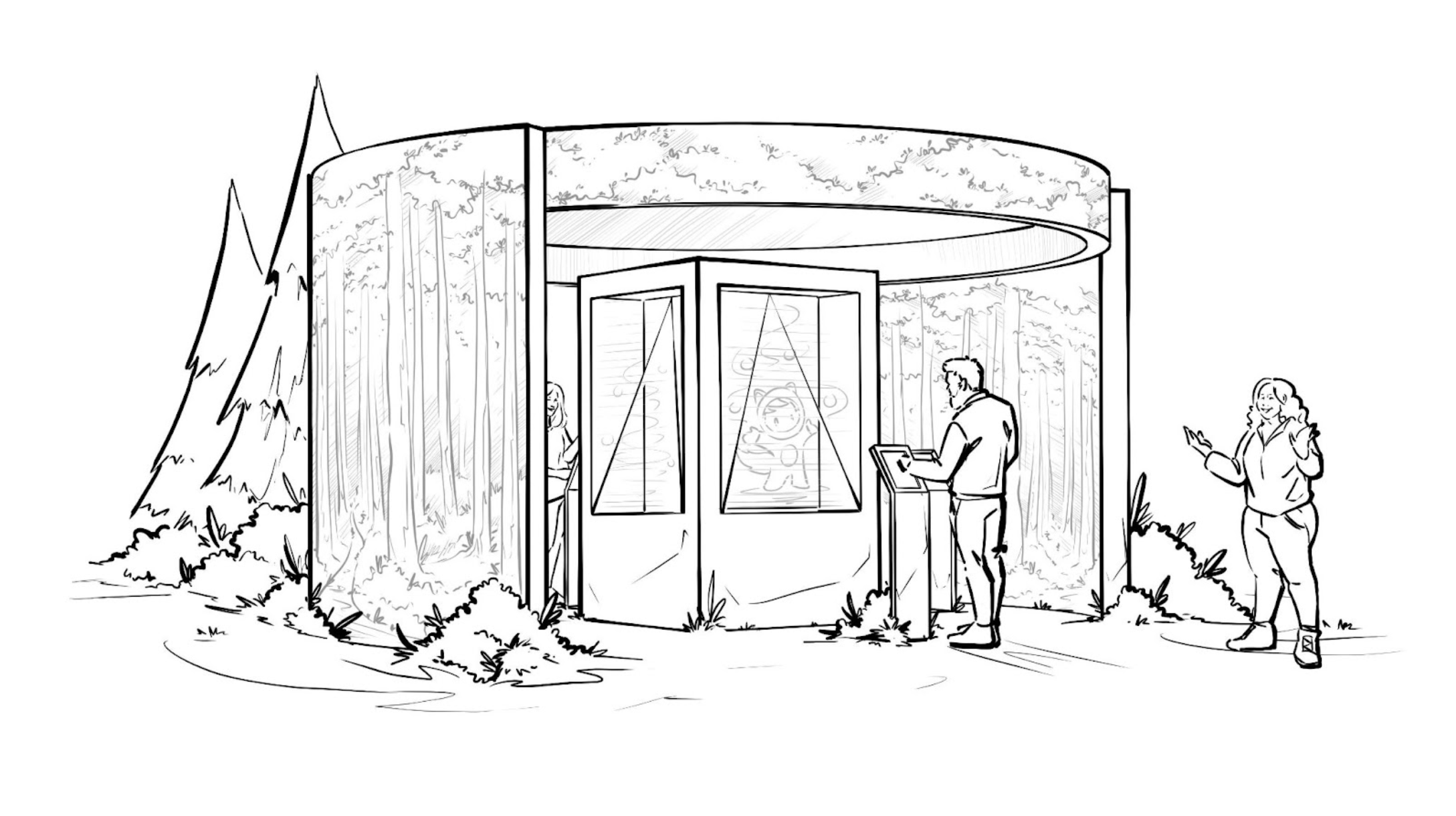
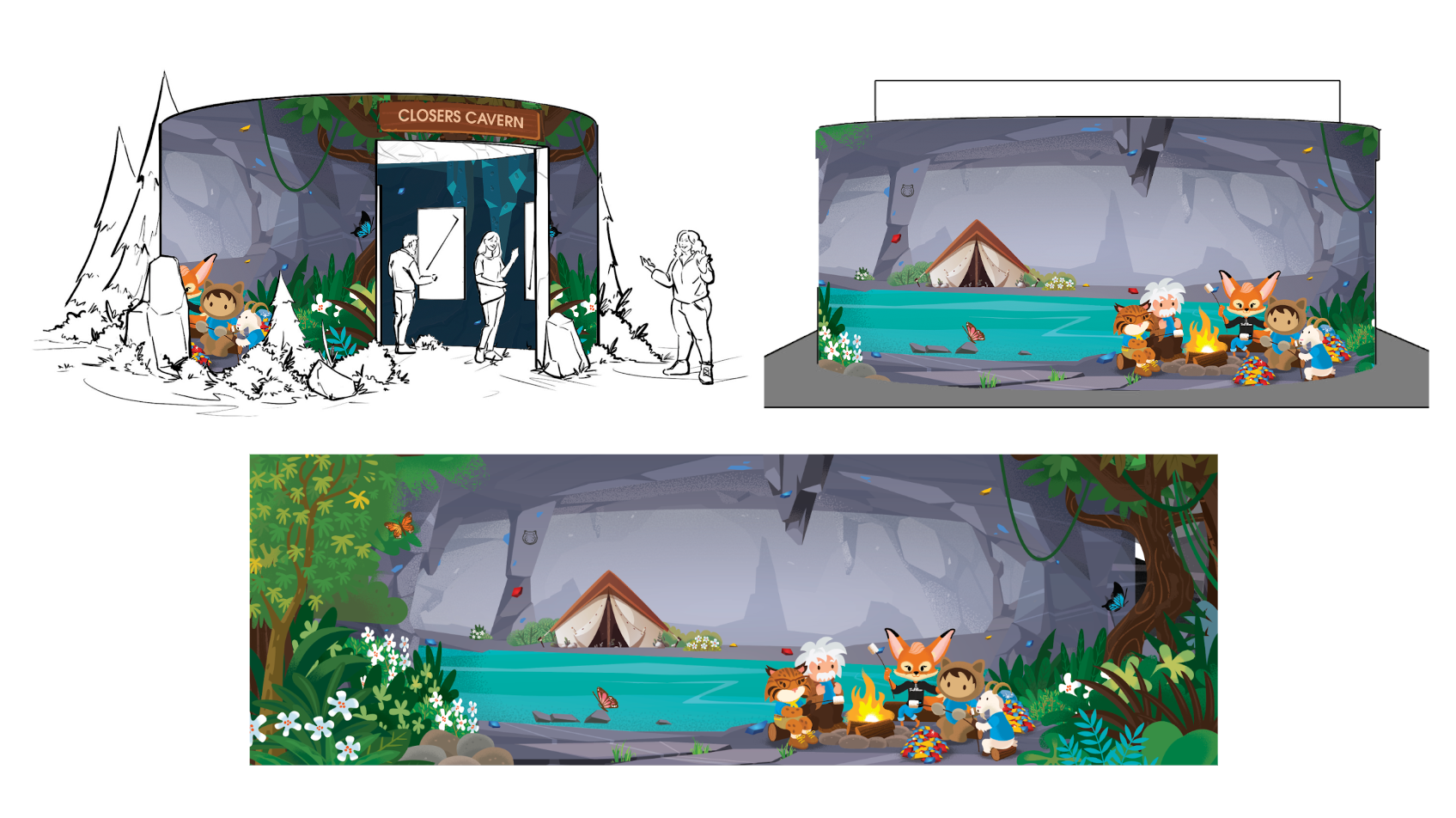
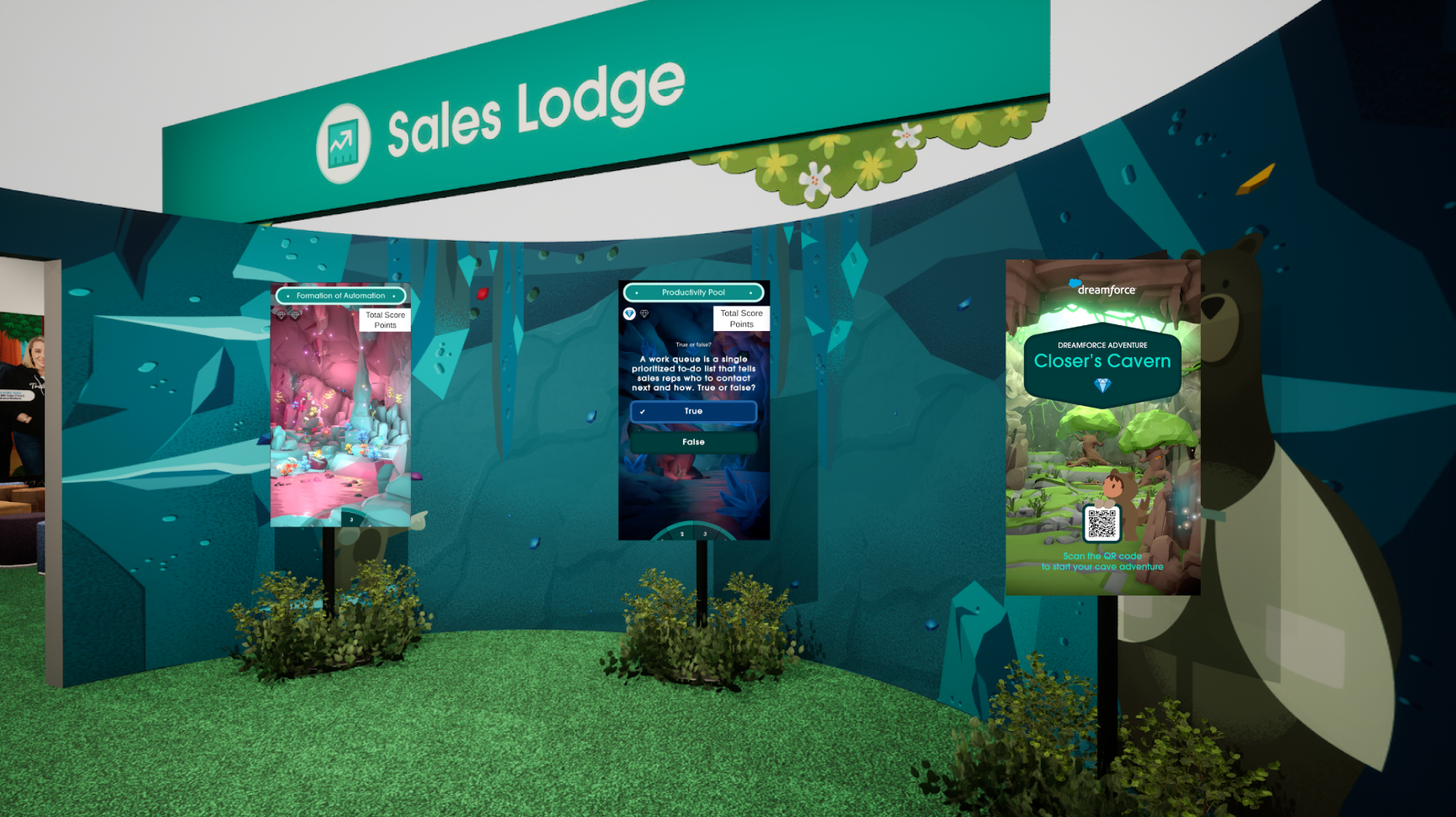
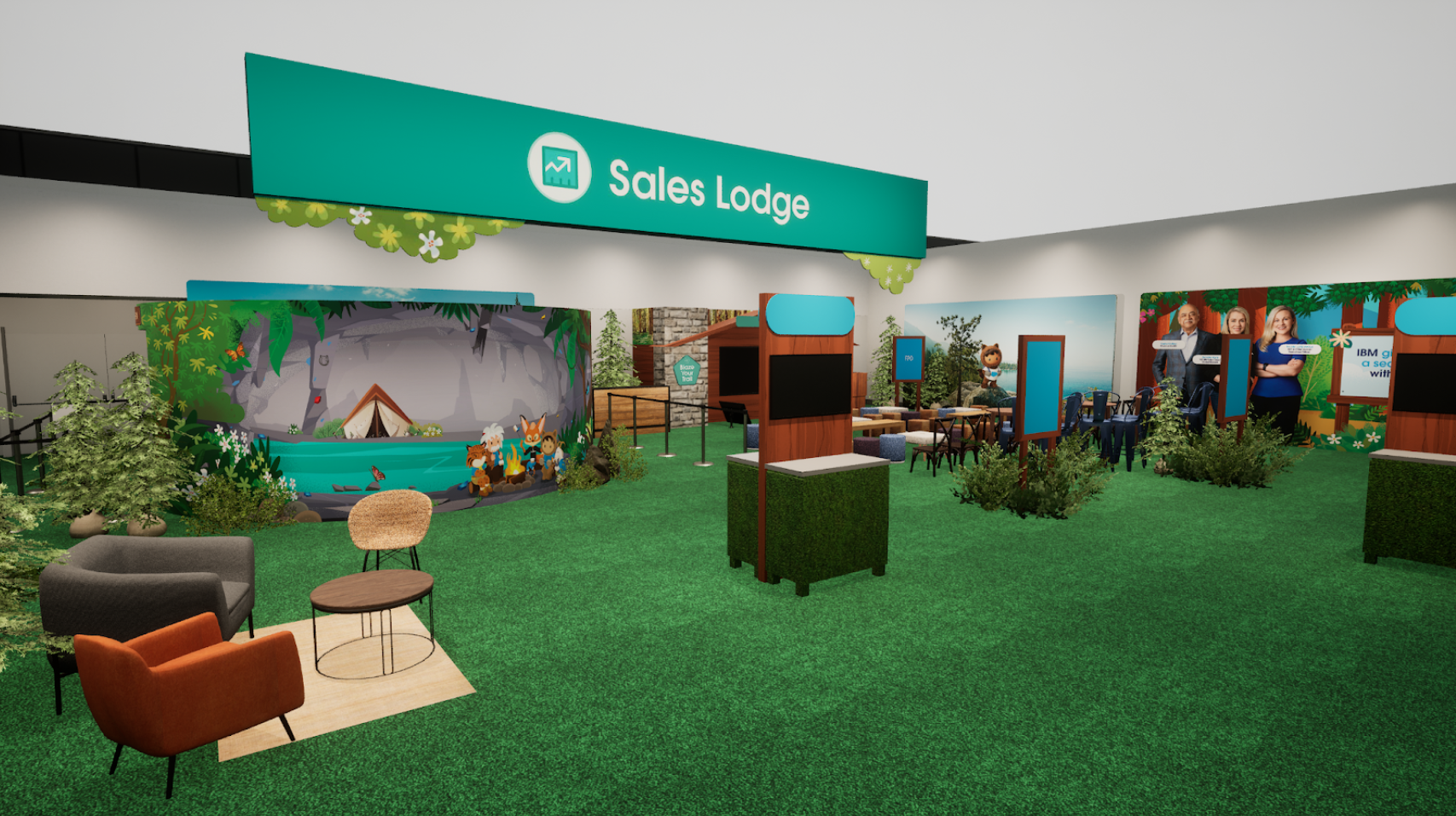
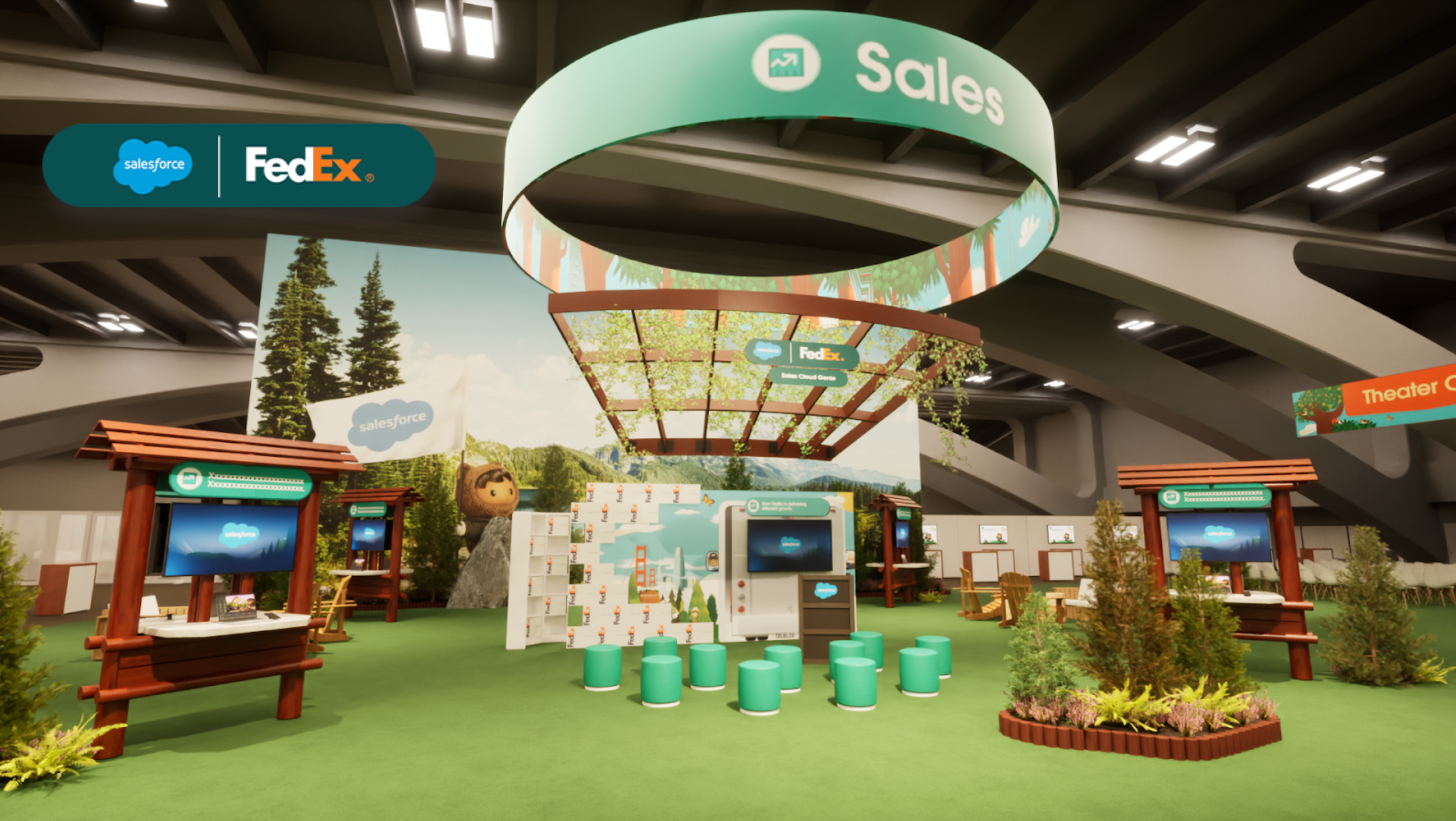
Every summer we start building the Dreamforce events. It’s all hands on deck from May until the date of the event, typically between September and November. My goal for all of it is to create a floor space that not only engages people but also pushes the capabilities of the team and the brand to stand out in ways that it hasn’t before. Giving the visitors something to leave with that’s not just about a product.
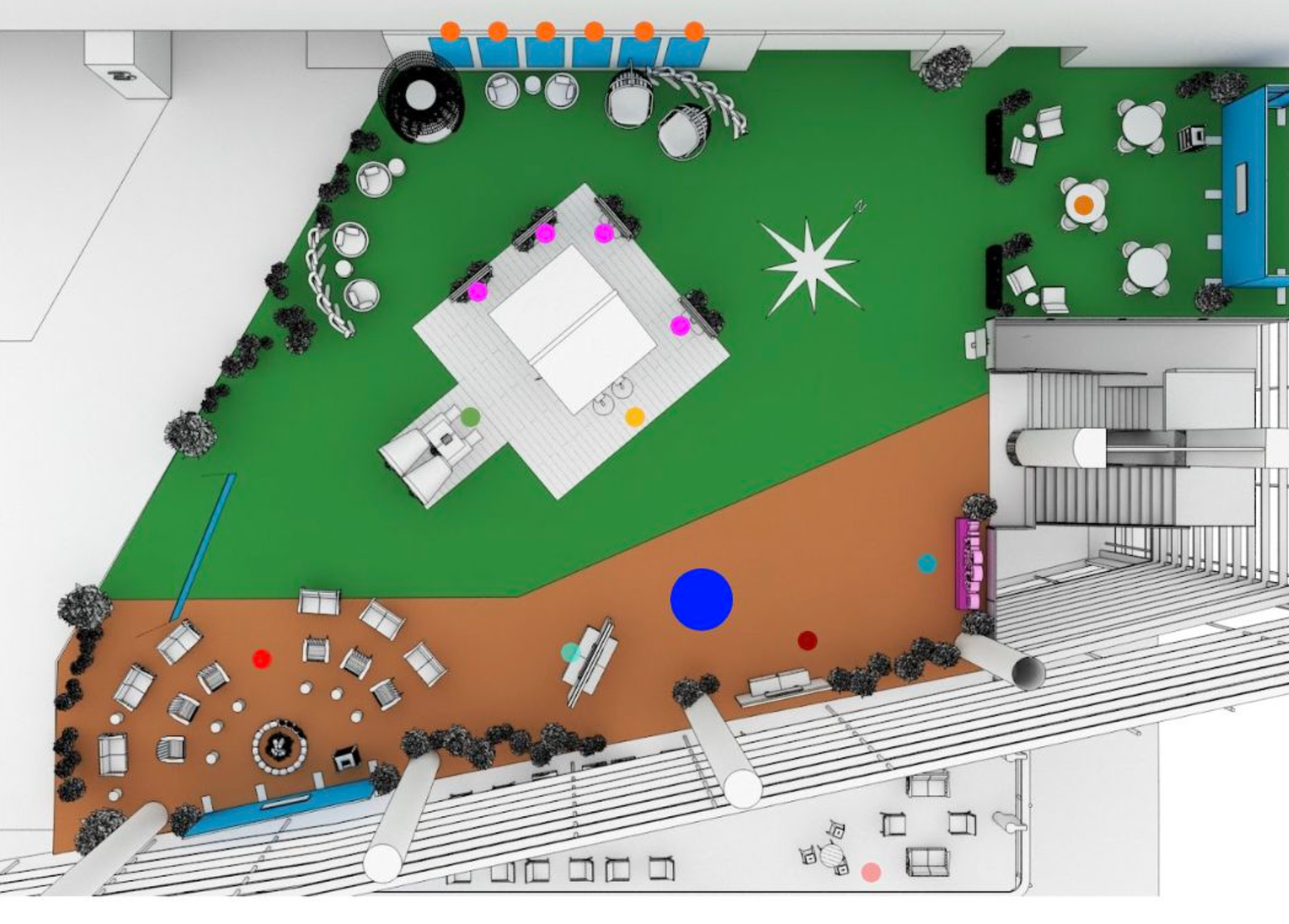
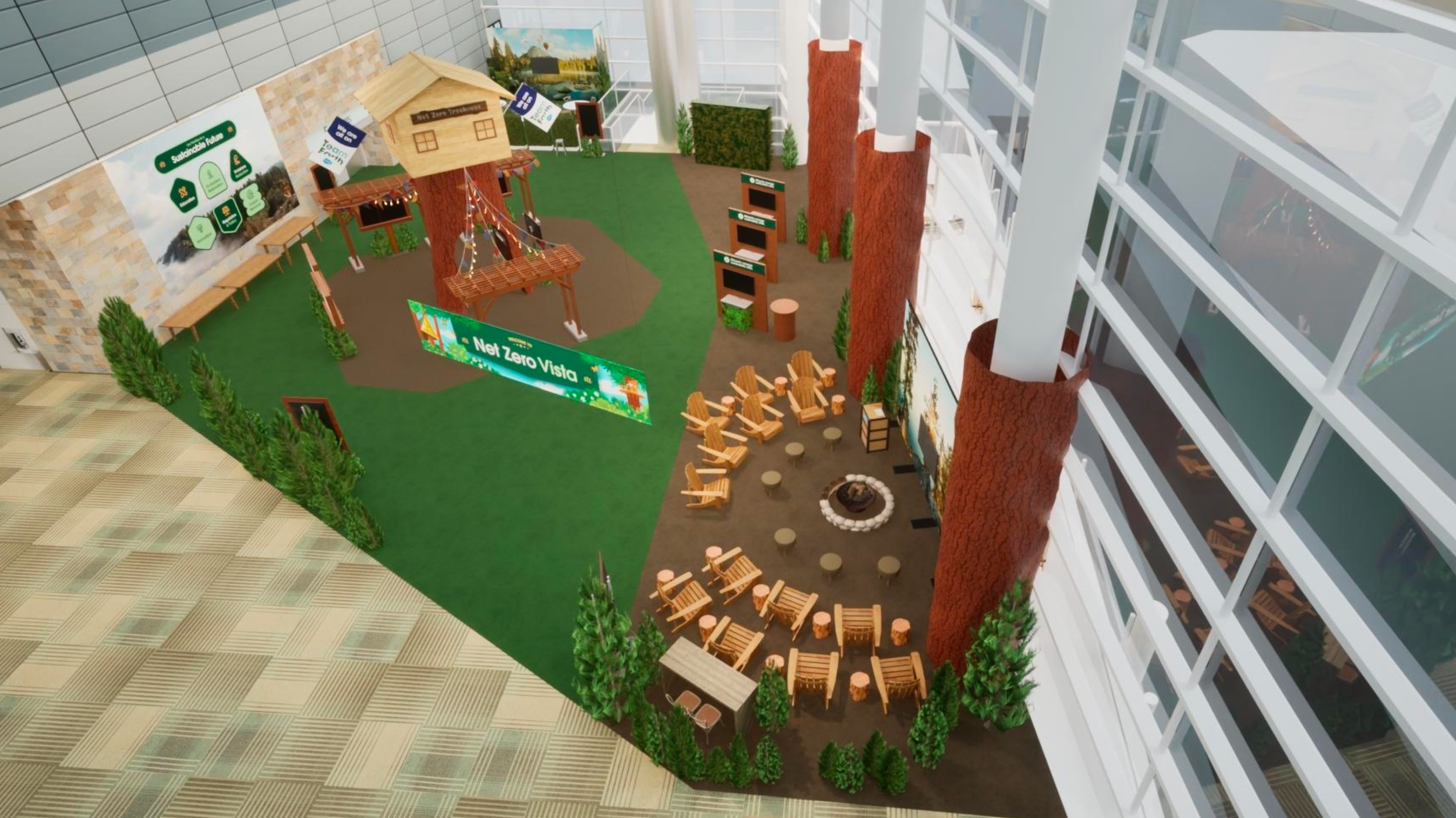
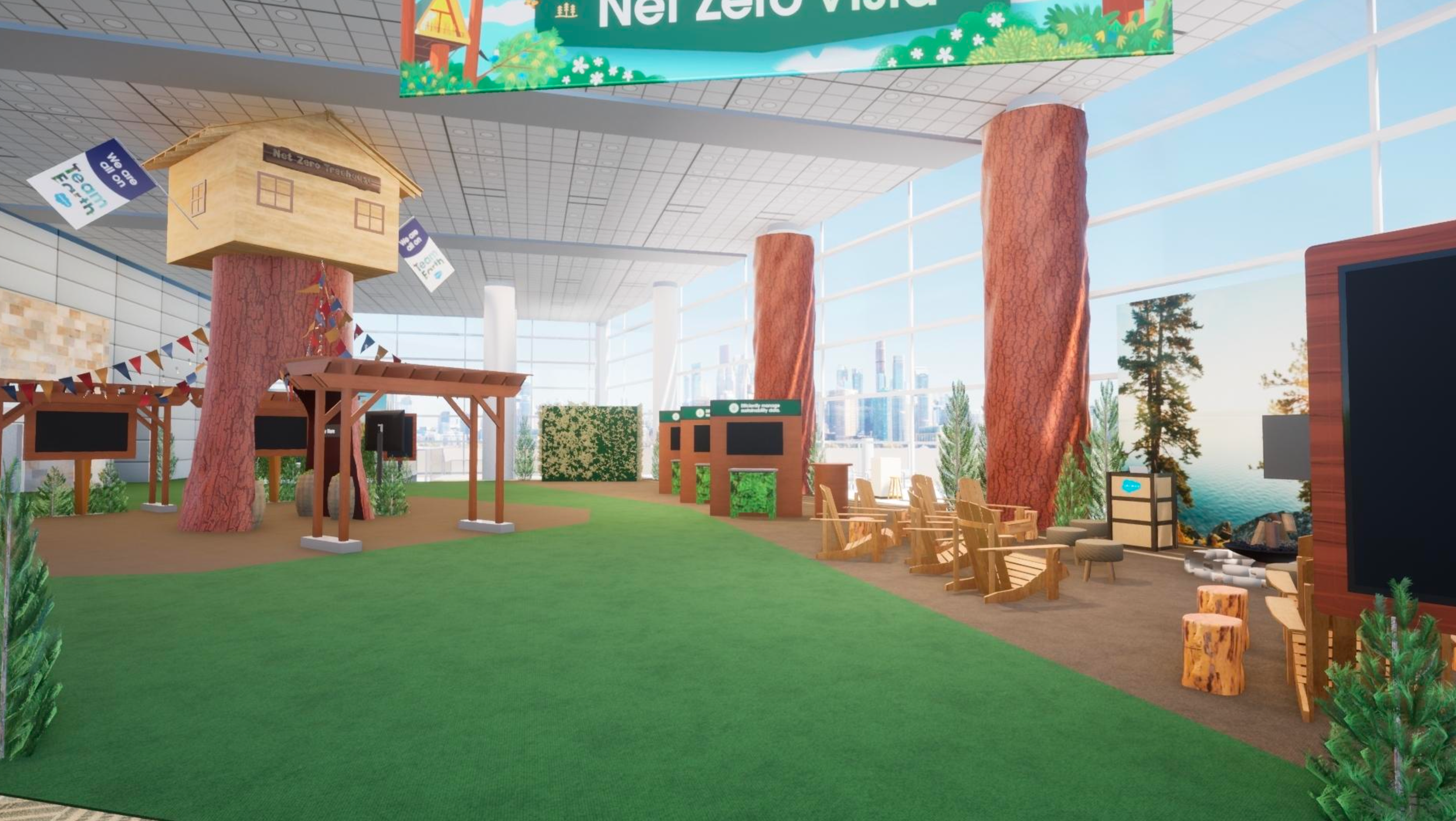
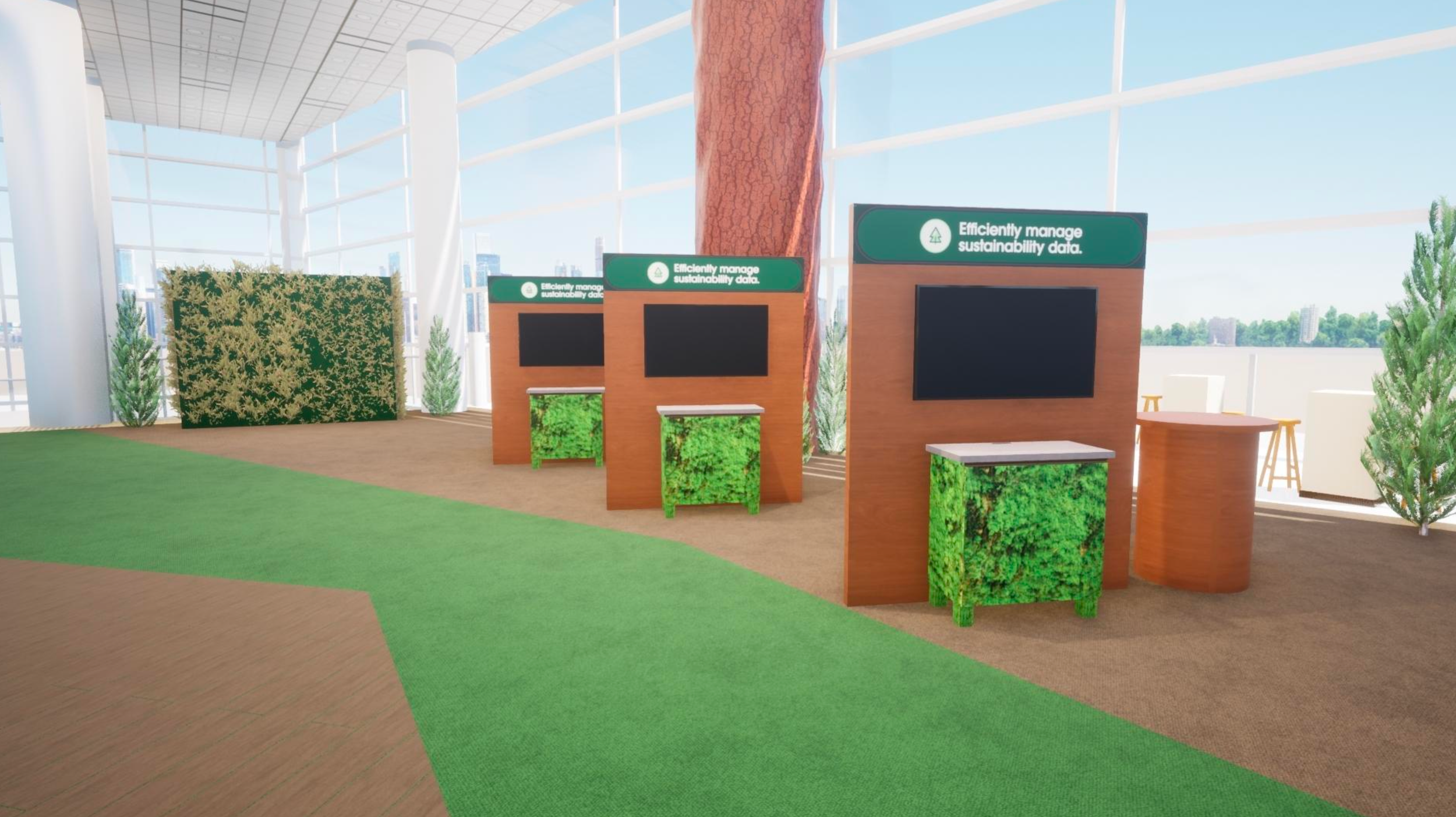
NET-ZERO VISTA
A better, more sustainable future relies on net zero. As businesses, it’s not just our responsibility to create this future by getting to net zero - It’s an imperative. A vista allows us a clear view of the future, so we can see the path to sustainability.
When we look to the future we know we can’t get to net zero without accounting for carbon emissions - a historically time-consuming, cumbersome process. Net Zero Cloud provides a faster, streamlined, user-friendly, technologically-savvy way to not only account for carbon emissions within the company, but also within the supply chain. And, until companies are able to fully implement NZC, we can help them offset their carbon footprint with our carbon market.
THE SALESBLAZER
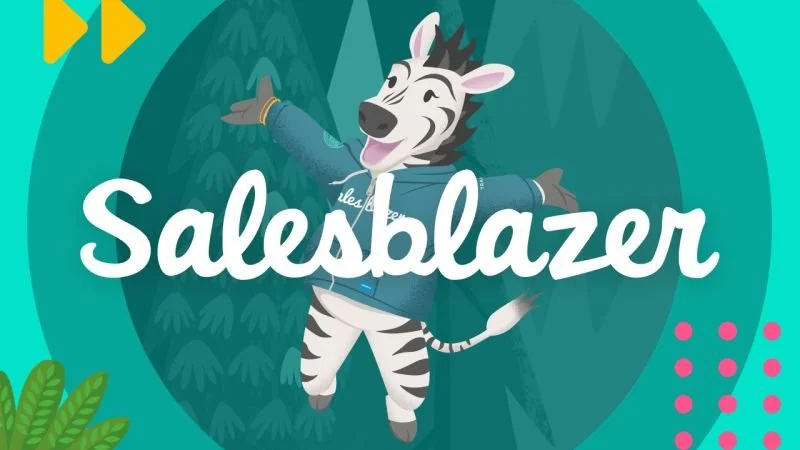
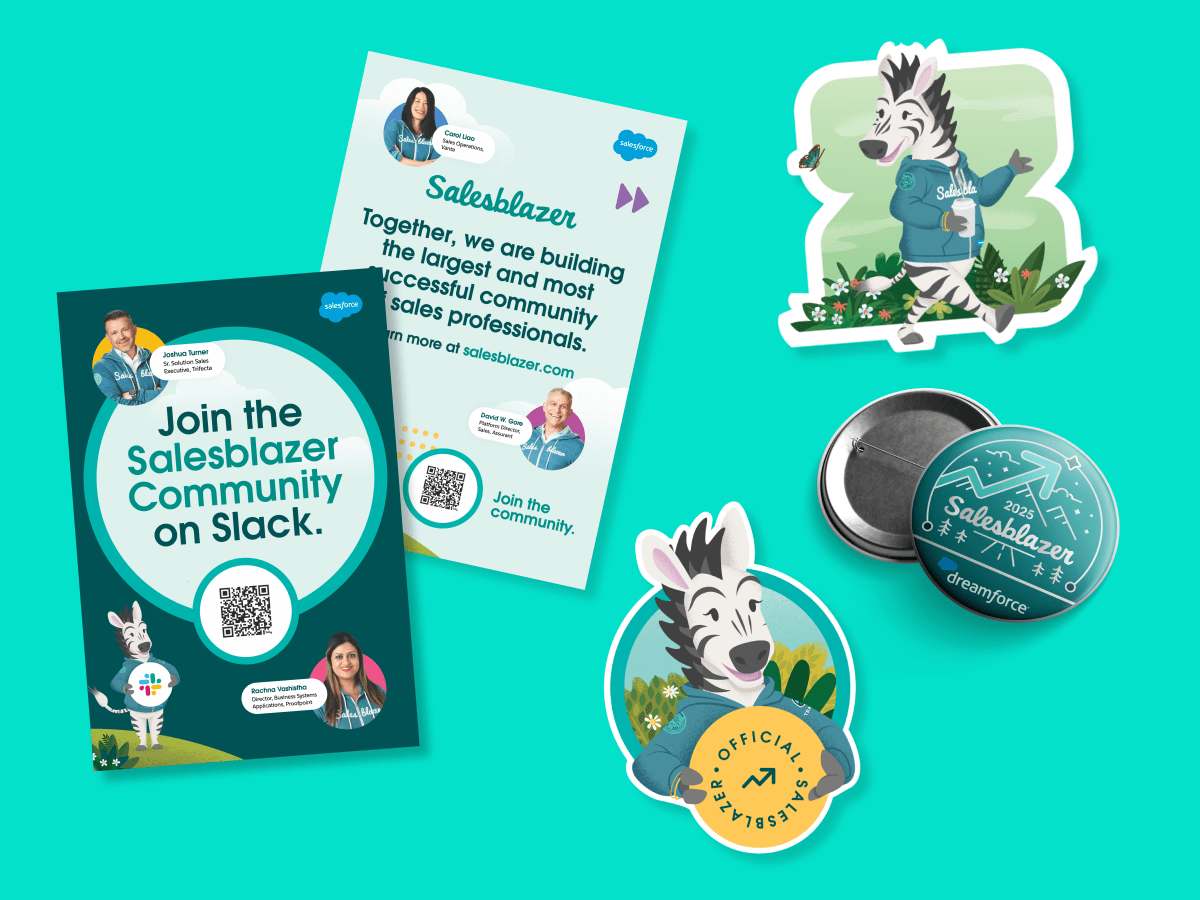
At the start of the pandemic the need for online community was growing stronger. It was necessary in fact. I worked closely with our social media directors to start drumming up engagement and conversations online. It all started with a meme featuring cats and Sales Cloud.
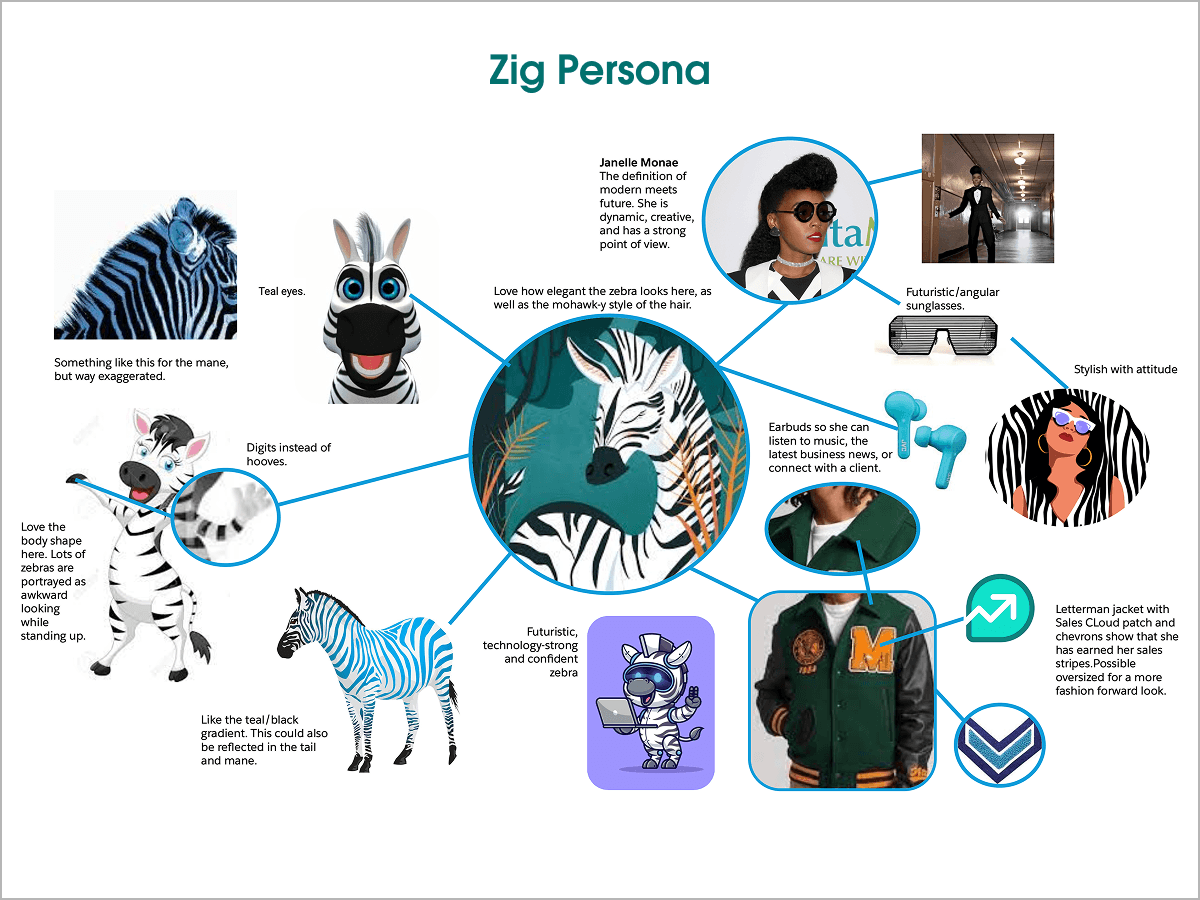
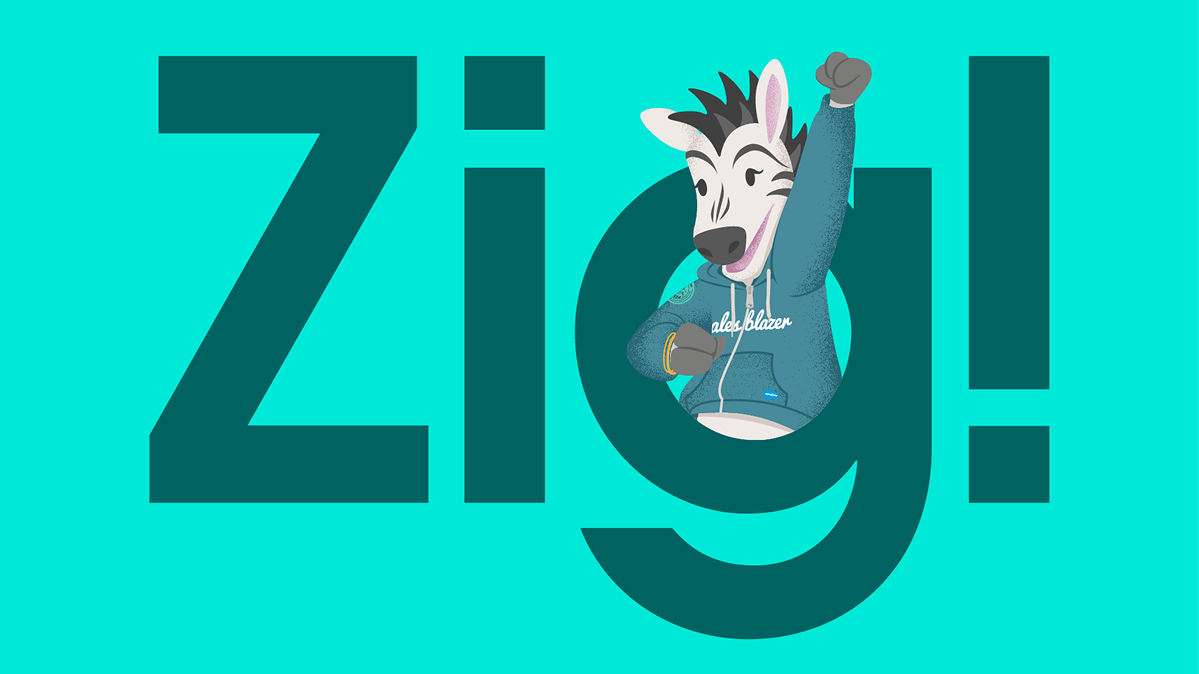
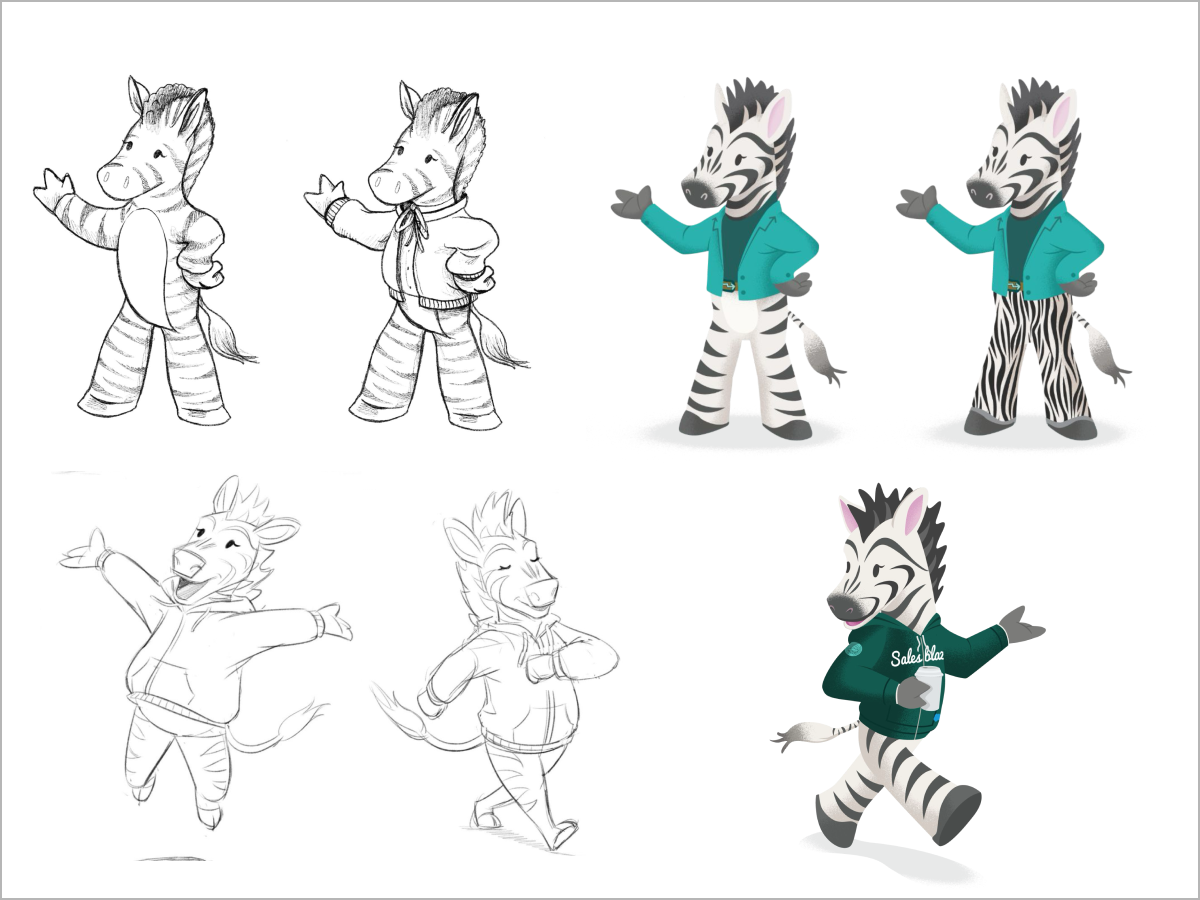
The engagement numbers soared! Catching the eyes and ears of execs around the company. Eventually it turned into the award winning “SalesBlazer” community. And yes, jackets were made! It also spurred the creation of “Zig” the zebra, a character dedicated to and representing everything Sales Cloud (even though I wanted it to be a hawk).


SLACK ACQUISITION
Towards the end of 2019 and just before the Pandemic, Salesforce acquired Slack. Slack was fairly well known within the market of internal business messaging systems but Salesforce wanted to open it up to a more public and community focused platform. In order to do so we needed to get the word out. Thankfully my team was assigned to the task and we developed some amazing and simple approaches using the brand assets and materials Slack was already very well known for. The project was lightning fast, taking up only 1 week before final delivery.
My Role: Creative Direction, Design
Instrument: design support, brand building, and brand guide development
Trendy Minds: design production, campaign support
HUSH: Event and spatial design